
Have you ever wondered what happens to the visual system as we age? What does the term "second sight" mean? What is presbyopia? What can be done to prevent aging factors of the eye?
What happens in Presbyopia?
A common aspect of the aging process is losing the reading vision you had all your life. This is called Presbyopia. Presbyopia is a Latin term which means "old eyes."
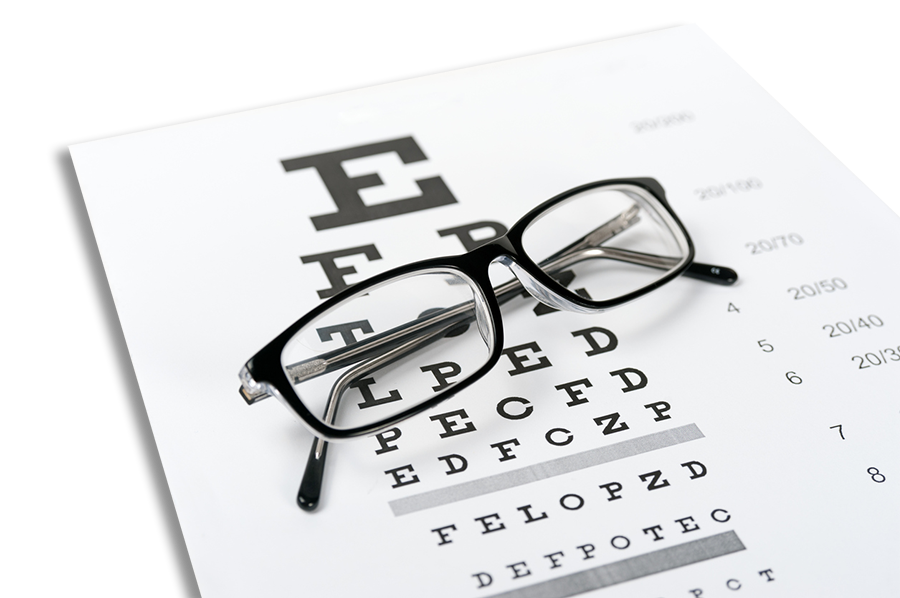
Before our mid-forties, the natural lens of the eye is very pliable and can easily focus on items up close. But in our mid-forties, the lens tends to lose its elasticity. When experiencing presbyopia, people generally hold reading material farther away to see it more clearly. Presbyopia can be managed through bifocal or multifocal glasses or contact lenses, and some surgeries.
What is "second sight"?
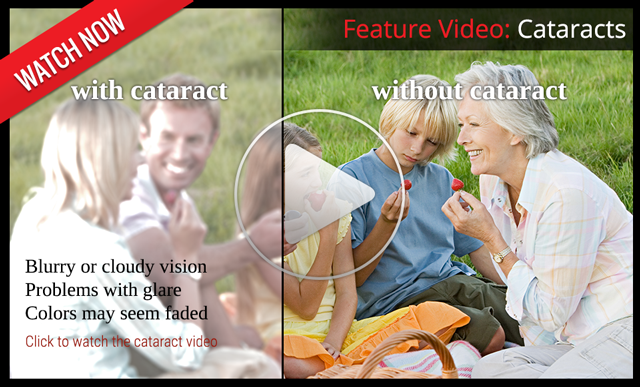
There is a phenomenon that often occurs during the 6th to 7th decade of life called "second sight." Close to 50% of the population over 60 years old has cataracts. Cataracts are a clouding of the natural lens of the eye that can impair vision, causing glare and loss of detail. But...they can cause temporary improvement in near vision as the cataract alters the lens of the eye. When patients experience second sight, it sometimes feels quite convenient for them--they see up close without the reading glasses they have depended on since their 40s. However, it is a sign that your natural eye lens is hardening and deteriorating.
To help prevent and manage these conditions, there are a variety of options.
- Maintaining yearly dilated eye exams for preventative care.
- Protect your eyes against the sun with UV sunglasses.
- Take antioxidant vitamins to help bolster the protection of the macula.
- Use artificial tears to hydrate the eye and keep your body hydrated by drinking plenty of water.
- Keep emotional, physical, and mental stress to a minimum.
Being educated on how we age is the first step towards good ocular health.
This blog provides general information and discussion about eye health and related subjects. The words and other content provided in this blog, and in any linked materials, are not intended and should not be construed as medical advice. If the reader or any other person has a medical concern, he or she should consult with an appropriately licensed physician. The content of this blog cannot be reproduced or duplicated without the express written consent of Eye IQ.